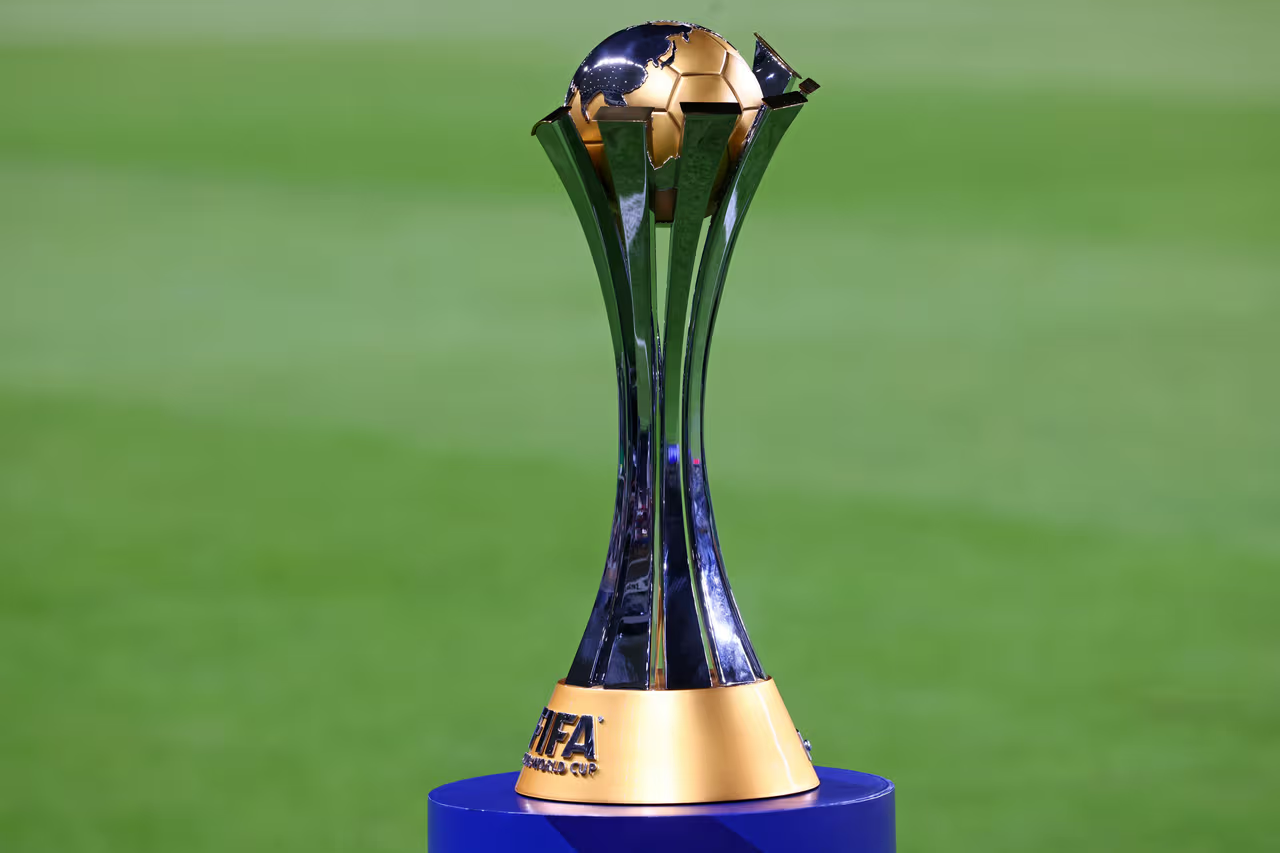
The Mundial de Clubes, known globally as the FIFA Club World Cup, represents the ultimate international stage for professional club football. While domestic leagues and continental tournaments test consistency and regional dominance, the Mundial de Clubes determines which team can truly claim to be the best club in the world.
Over the years, the competition has evolved from a modest tournament into a global football spectacle featuring elite champions from every continent. With a new expanded format set to reshape its future, the Mundial de Clubes is entering a transformative era that promises more excitement, global reach, and commercial power than ever before.
In this comprehensive guide, we explore the history, format, iconic winners, controversies, and the highly anticipated changes shaping the next generation of the tournament.
What Is the Mundial de Clubes?
The Mundial de Clubes is an international club football competition organized by FIFA. It brings together the reigning champions from each of the six continental confederations:
- UEFA (Europe)
- CONMEBOL (South America)
- CONCACAF (North & Central America)
- CAF (Africa)
- AFC (Asia)
- OFC (Oceania)
The competition essentially answers one global question: which club is the best in the world?
Though European clubs have dominated in recent years, the tournament historically provided dramatic matchups between European powerhouses and South American giants, often creating unforgettable football moments.
A Brief History of the Mundial de Clubes
The roots of the Mundial de Clubes can be traced back to the Intercontinental Cup, which began in 1960. That competition featured the champions of Europe and South America competing in a two-legged final.
However, the official FIFA Club World Cup was first held in 2000 in Brazil. The inaugural edition saw Brazilian club Sport Club Corinthians Paulista lift the trophy.
After a short hiatus due to financial complications, the tournament returned in 2005 and became an annual competition. Since then, it has steadily grown in prestige and global attention.
Traditional Format of the Tournament
Until recently, the Mundial de Clubes followed a compact format involving seven teams:
- UEFA Champions League winner
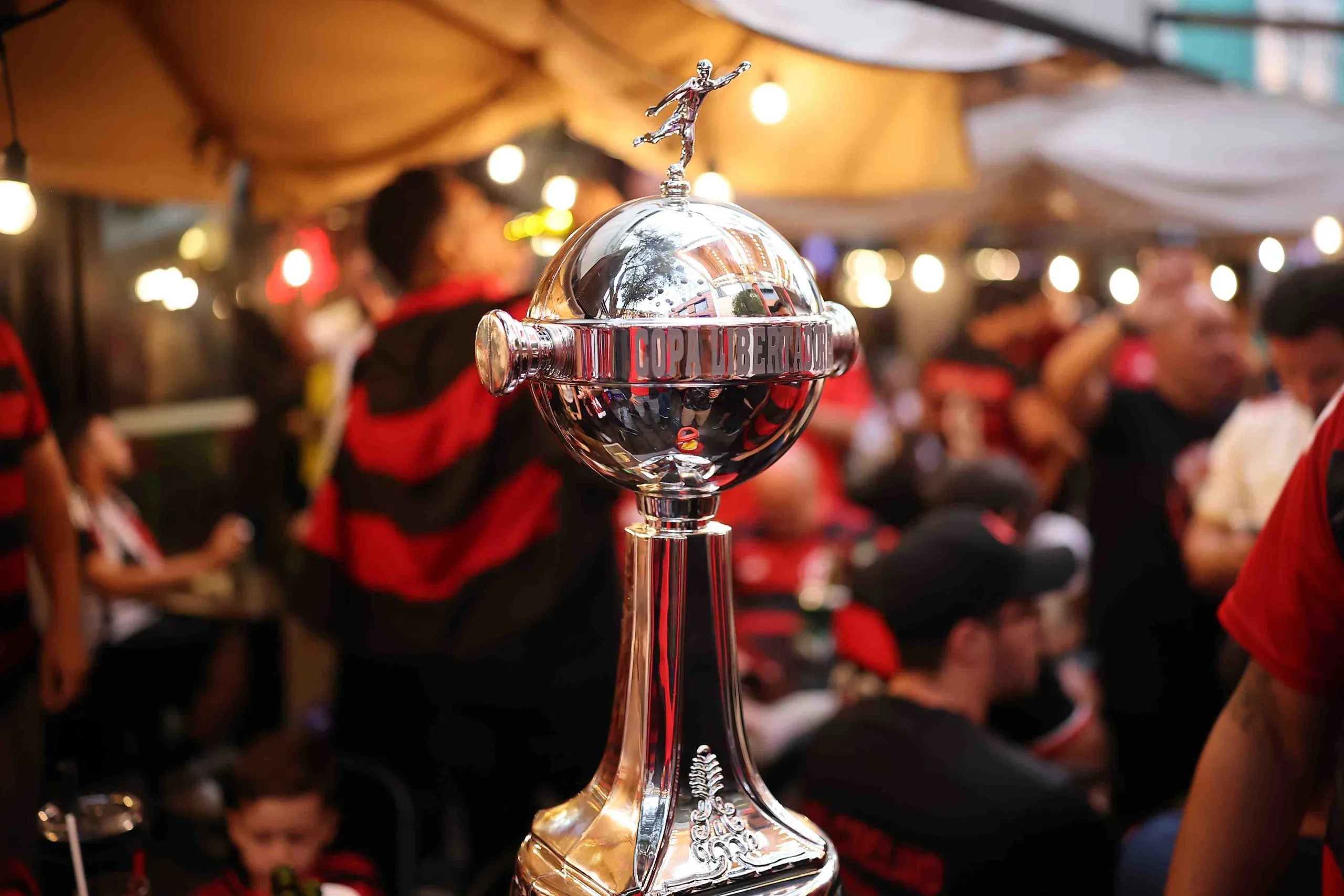
- CONMEBOL Copa Libertadores winner
- Champions from AFC, CAF, CONCACAF, and OFC
- Host nation’s league champion
European and South American champions typically entered the tournament at the semifinal stage, while other continental winners began earlier in the competition.
This structure often resulted in a predictable pattern, with UEFA clubs frequently dominating the latter stages. Clubs like Real Madrid CF and FC Barcelona established their dominance, winning multiple titles.
Most Successful Clubs in Mundial de Clubes History
Real Madrid
Real Madrid CF stands as the most successful club in Mundial de Clubes history. With multiple titles, they have demonstrated consistent global supremacy. Their victories reflect not only European dominance but also their ability to perform on the world stage.
Barcelona
FC Barcelona also left a significant mark, particularly during their golden era under Pep Guardiola. Their tiki-taka style overwhelmed opponents and elevated the tournament’s tactical standards.
Corinthians
Brazilian club Sport Club Corinthians Paulista remains one of the few non-European teams to claim multiple titles, reinforcing South America’s competitive legacy.
Bayern Munich
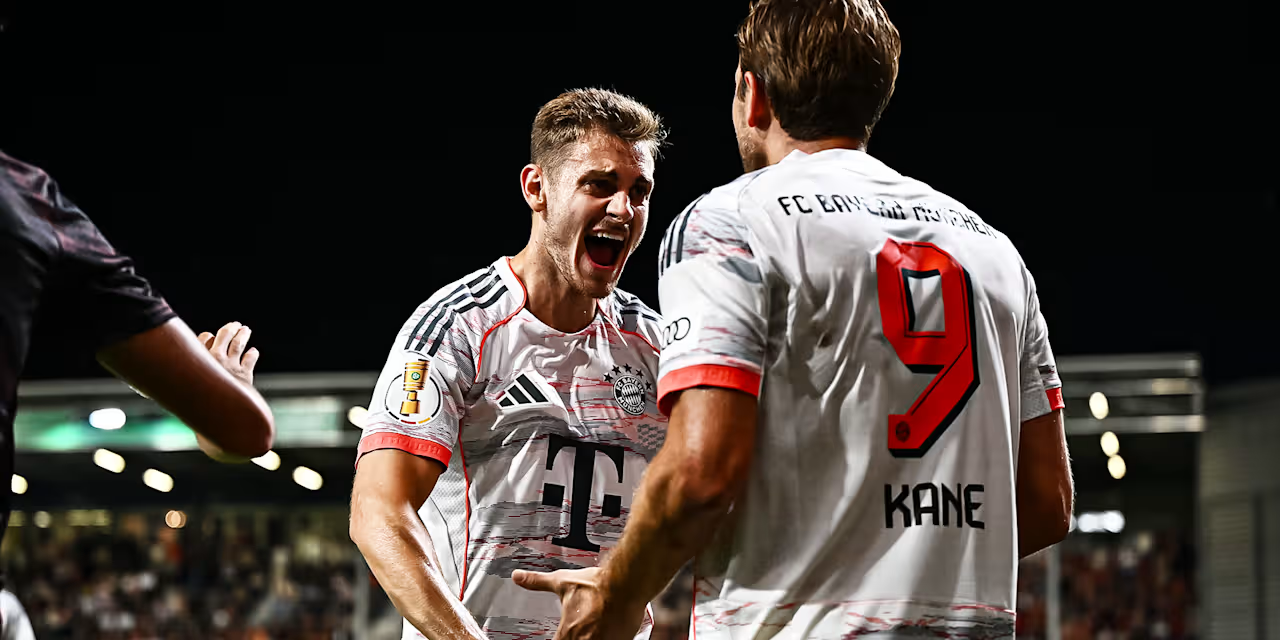
FC Bayern Munich has also captured the trophy, showcasing the strength of German football on the international stage.
European Dominance: Why It Happened
In the modern football economy, European clubs enjoy financial superiority, deeper squads, advanced training facilities, and tactical innovation. The revenue generated by competitions like the UEFA Champions League has allowed clubs to attract top global talent.
As a result, UEFA representatives have won the majority of recent editions. However, South American clubs remain emotionally and historically invested in the competition, often treating it as a career-defining opportunity.
The New Expanded Format: A Game-Changer
One of the most significant developments in the tournament’s history is the expansion announced by FIFA. Starting from 2025/2026, the Mundial de Clubes will feature 32 teams and be held every four years, similar to the FIFA World Cup for national teams.
Key Changes Include:
- 32 participating clubs
- Group stage followed by knockout rounds
- Increased global representation
- Larger prize pool
- Enhanced commercial partnerships
This shift aims to elevate the competition’s status and create a true global club championship.
Global Impact of the Expanded Mundial de Clubes
The expanded format is expected to:
1. Increase Revenue Opportunities
More matches mean greater broadcasting rights, sponsorship deals, and ticket sales.
2. Improve Competitive Balance
Clubs from Africa, Asia, and North America will have greater exposure and experience competing at elite levels.
3. Boost Global Fan Engagement
Football fans worldwide will witness more cross-continental clashes that rarely happen in regular seasons.
However, concerns have been raised regarding player fatigue and calendar congestion, as many top clubs already compete in demanding domestic and continental schedules.
Controversies and Criticism
Despite its global ambition, the Mundial de Clubes has faced criticism over the years:
- Scheduling Issues: European managers have occasionally downplayed its importance due to fixture congestion.
- Perceived Imbalance: Critics argue that financial disparities make the outcome predictable.
- Player Workload: With expanding competitions, athlete burnout is becoming a serious concern.
Yet, the new format could address some of these issues by spreading the tournament over a four-year cycle instead of annual editions.
Memorable Moments in Mundial de Clubes History
The tournament has delivered unforgettable football drama:
- Underdog performances from African and Asian clubs reaching semifinals.
- Dramatic extra-time victories.
- Tactical masterclasses by elite European managers.
- Emotional celebrations by South American teams treating the title as the pinnacle of club achievement.
Each edition reinforces the universal language of football — competition beyond borders.
How the Mundial de Clubes Compares to the UEFA Champions League
Many fans wonder whether the Mundial de Clubes carries the same prestige as the UEFA Champions League.
While the Champions League remains Europe’s most prestigious competition, the Mundial de Clubes offers something unique: global validation. Winning it means conquering champions from every continent.
In simple terms:
- Champions League = Best in Europe
- Mundial de Clubes = Best in the World
The new 32-team format may significantly elevate its status to rival continental tournaments in prestige.
Economic and Commercial Influence
The global football industry is worth billions of dollars, and tournaments like the Mundial de Clubes play a vital role in shaping commercial growth.
From sponsorship deals to streaming rights, the competition provides:
- International branding opportunities
- Tourism boosts for host nations
- Merchandising expansion
- Global market penetration for participating clubs
As football becomes increasingly globalized, the tournament aligns with the sport’s commercial trajectory.
The Future of the Mundial de Clubes
The future looks ambitious and transformative. With the 32-team structure, the tournament is expected to:
- Attract broader audiences
- Deliver higher-quality matches
- Offer greater competitive unpredictability
- Strengthen global club football ecosystems
If successfully implemented, it could redefine how club football is perceived worldwide.
Why the Mundial de Clubes Matters More Than Ever
In a football landscape dominated by regional competitions, the Mundial de Clubes serves as the ultimate measuring stick. It connects continents, cultures, and football philosophies into one unified championship.
For players, lifting the trophy represents global recognition.
For clubs, it solidifies international prestige.
For fans, it delivers rare and electrifying matchups.
As the competition evolves, its importance in shaping the global football narrative will only increase.
FAQs About Mundial de Clubes
1. What is the Mundial de Clubes?
The Mundial de Clubes is an international club football tournament organized by FIFA that determines the world’s best football club.
2. How many teams participate in the new format?
The new expanded format will feature 32 teams, significantly increasing global representation.
3. Which club has won the most titles?
Real Madrid holds the record for the most Mundial de Clubes titles.
4. How often is the new tournament held?
Under the new structure, it will be held every four years instead of annually.
5. Why do European clubs dominate?
European clubs generally have higher financial resources, deeper squads, and stronger domestic leagues, giving them a competitive advantage.
6. Is the Mundial de Clubes more important than the Champions League?
Both are prestigious, but the Champions League determines the best club in Europe, while the Mundial de Clubes crowns the best club in the world.
Final Thoughts
The Mundial de Clubes stands at the crossroads of tradition and innovation. From its humble beginnings to its ambitious new format, it reflects football’s evolution into a truly global enterprise.
With expanded participation, rising commercial investment, and worldwide anticipation, the tournament is poised to become one of the most important events in international club football.