The Copa Libertadores is more than just a football tournament. It is passion, history, rivalry, and pride woven into one of the most intense club competitions in the world. For South American teams, winning the Copa Libertadores is the ultimate achievement — a symbol of continental supremacy and a gateway to global recognition.
From legendary clubs to unforgettable finals, the tournament has shaped generations of footballers and fans alike. Whether it’s the electric stadium atmospheres in Buenos Aires, Rio de Janeiro, or Montevideo, or the dramatic late goals that define entire seasons, the Copa Libertadores represents the raw spirit of South American football.
In this complete guide, we explore the origins, format, legendary champions, economic impact, and future of this iconic competition.
What Is the Copa Libertadores?
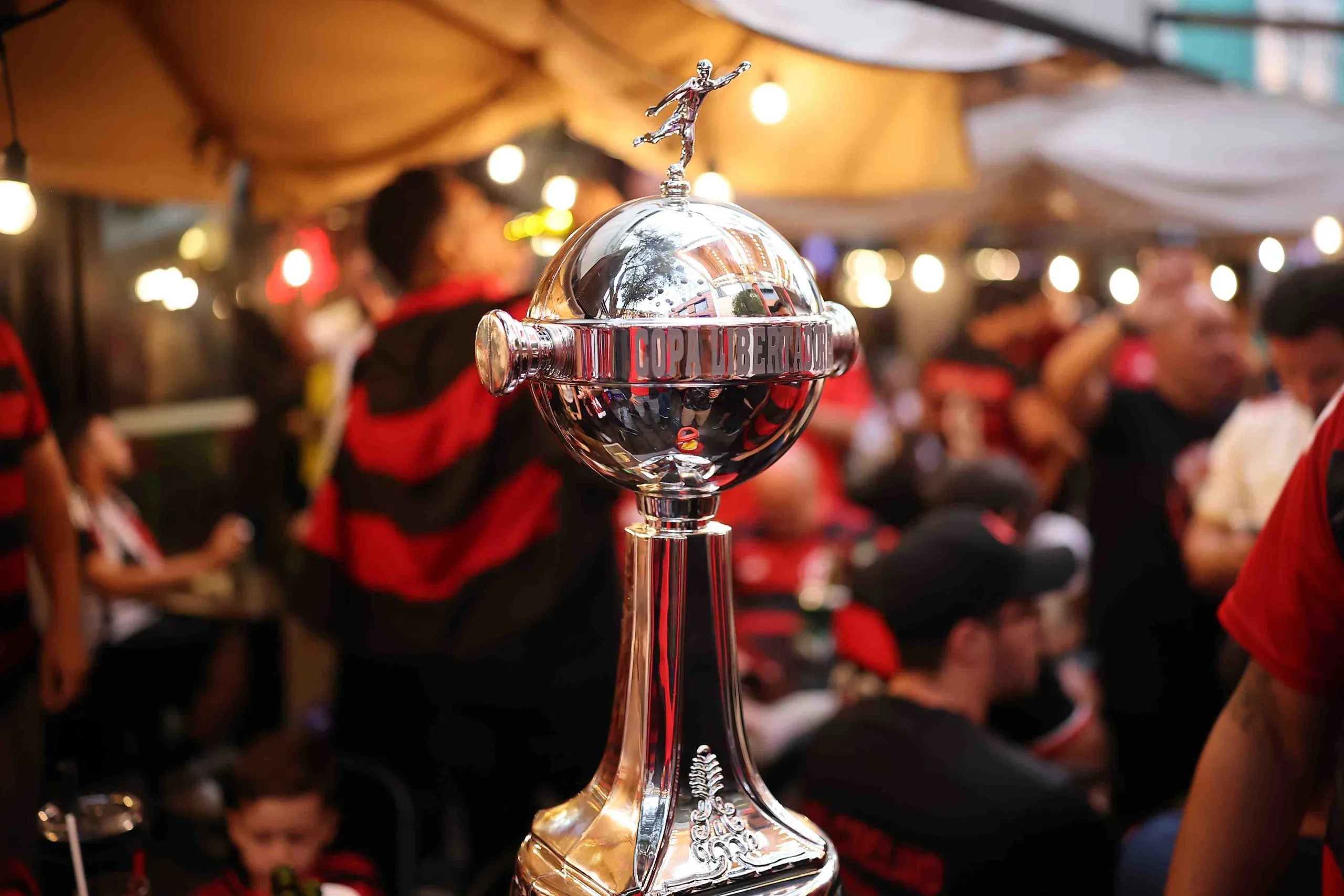
The Copa Libertadores is South America’s premier club football tournament, organized by CONMEBOL. It is the equivalent of Europe’s Champions League and brings together the top clubs from across the continent to compete for the most prestigious trophy in South American football.
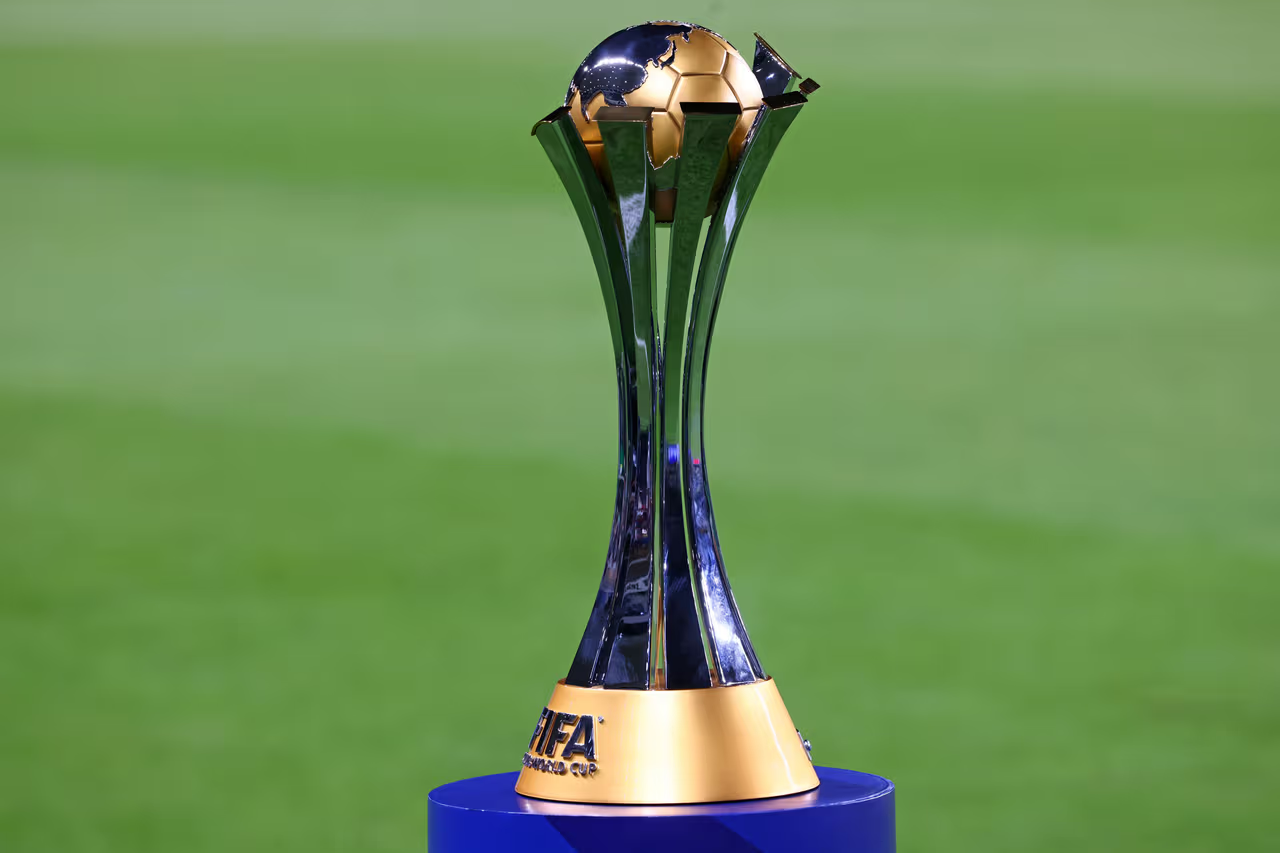
The winner of the Copa Libertadores qualifies for the FIFA Club World Cup and earns the right to compete against champions from other continents.
The tournament’s name honors the “Libertadores” — the leaders who fought for independence in South America during the 19th century. This historical connection reflects the competition’s deep cultural and emotional roots.
History of the Copa Libertadores
The first edition of the Copa Libertadores was held in 1960. It was inspired by the European Cup and created to crown the best club in South America.
The inaugural champions were Club Atlético Peñarol from Uruguay, who set the standard for early dominance. During the 1960s and 1970s, Argentine and Uruguayan clubs controlled the tournament, building legendary reputations.
As the decades progressed, Brazilian clubs rose to prominence. Teams such as Clube de Regatas do Flamengo, Sociedade Esportiva Palmeiras, and São Paulo Futebol Clube established themselves as continental powerhouses.
Today, Argentine club Club Atlético Independiente holds the record for the most Copa Libertadores titles, earning the nickname “King of Cups.”
Tournament Format
The Copa Libertadores has evolved significantly over the years. Currently, the competition features multiple stages:
1. Qualification Rounds
Lower-ranked teams enter preliminary rounds to secure a place in the group stage.
2. Group Stage
32 teams are divided into eight groups of four. Each team plays home-and-away matches in a round-robin format.
3. Knockout Rounds
The top two teams from each group advance to the Round of 16, followed by quarterfinals and semifinals.
4. Final
In recent years, the final has shifted from a two-legged format to a single match played at a neutral venue, increasing global appeal and broadcast value.
This structure ensures competitive balance while maintaining high-intensity clashes throughout the tournament.
Why the Copa Libertadores Is Unique
Unlike many European competitions known for tactical discipline and polished stadiums, the Copa Libertadores is famous for its emotional intensity.
Passionate Fan Culture
South American fans create electrifying atmospheres with chants, flares, and relentless energy. Stadiums like La Bombonera in Buenos Aires and Maracanã in Rio de Janeiro are iconic venues where football feels almost spiritual.
Fierce Rivalries
Few rivalries in world football match the intensity of clashes between Argentine and Brazilian clubs. Matches often carry historical, cultural, and national pride beyond the pitch.
Physical and Tactical Variety
Teams must adapt to different climates, altitudes, and playing styles. From high-altitude stadiums in Bolivia to humid Brazilian arenas, environmental challenges add unpredictability.
Legendary Clubs and Dynasties
Independiente
Club Atlético Independiente dominated the competition during the 1970s, winning four consecutive titles. Their legacy still defines Argentine football excellence.
Boca Juniors
Club Atlético Boca Juniors became a global name thanks to multiple Libertadores triumphs. The club’s passionate fan base and historic performances made them one of the tournament’s most iconic teams.
River Plate
Club Atlético River Plate has enjoyed significant success, including memorable finals against their fierce rivals Boca Juniors.
Flamengo
Clube de Regatas do Flamengo reasserted Brazilian dominance in recent years, winning dramatic finals and showcasing attacking brilliance.
Memorable Finals That Defined Generations
The Copa Libertadores has delivered some of the most dramatic matches in football history.
One of the most iconic finals occurred in 2018 when River Plate faced Boca Juniors in a historic Superclásico final. The rivalry escalated to such intensity that the second leg had to be moved outside Argentina, highlighting both the passion and challenges surrounding the competition.
Other finals have featured last-minute goals, penalty shootouts, and emotional celebrations that reflect the unpredictable nature of South American football.
Economic and Global Impact
The Copa Libertadores plays a major role in South American football’s economy. Broadcasting rights, sponsorship deals, and ticket sales generate significant revenue for clubs and national leagues.
Winning the tournament increases a club’s global visibility, attracting sponsorships and international fans. It also enhances player market value, as European scouts closely monitor performances during the competition.
With increasing digital streaming and global broadcasting expansion, the Libertadores continues to grow its international audience beyond South America.
Copa Libertadores vs UEFA Champions League
The Copa Libertadores is often compared to the UEFA Champions League. While both tournaments represent continental supremacy, they differ in style and atmosphere.
- The Champions League emphasizes commercial scale and tactical precision.
- The Copa Libertadores focuses on intensity, unpredictability, and deep-rooted rivalries.
For many South American players, lifting the Libertadores trophy carries emotional weight that surpasses financial reward.
The Road to the FIFA Club World Cup
Winning the Copa Libertadores guarantees participation in the FIFA Club World Cup. This provides South American champions with the opportunity to face Europe’s elite clubs.
Historically, South American teams have occasionally defeated European giants, reinforcing the tournament’s prestige and competitive credibility.
Challenges Facing the Competition
Despite its legendary status, the Copa Libertadores faces several challenges:
- Financial disparities between clubs.
- Player transfers to Europe reducing squad stability.
- Infrastructure differences across participating nations.
- Scheduling conflicts within domestic leagues.
However, reforms by CONMEBOL aim to modernize the competition, improve commercial structures, and enhance global appeal.
The Future of Copa Libertadores
The tournament continues evolving. Increased prize money, improved broadcasting deals, and stronger international marketing strategies are helping it remain competitive in the global football landscape.
With South America consistently producing world-class talent, the Copa Libertadores will continue serving as a proving ground for future stars.
As football grows worldwide, the tournament’s blend of heritage, rivalry, and emotion ensures its relevance for generations to come.
FAQs About Copa Libertadores
1. What is the Copa Libertadores?
The Copa Libertadores is South America’s premier club football tournament organized by CONMEBOL.
2. Which club has won the most titles?
Club Atlético Independiente holds the record for the most Copa Libertadores titles.
3. How many teams participate?
The group stage features 32 teams, with additional clubs competing in qualification rounds.
4. Does the winner qualify for another tournament?
Yes, the champion qualifies for the FIFA Club World Cup.
5. Why is the tournament so intense?
The Copa Libertadores combines fierce rivalries, passionate fans, and diverse playing conditions, creating unmatched emotional intensity.
6. Is it comparable to the Champions League?
Yes, it is the South American equivalent of Europe’s Champions League, though the style and atmosphere differ significantly.
Final Thoughts
The Copa Libertadores stands as the beating heart of South American club football. It represents history, independence, passion, and pride. From legendary dynasties to modern Brazilian dominance, the tournament continues to shape the continent’s football narrative.
While financial challenges and global competition present obstacles, the Libertadores remains one of the most emotionally charged and culturally significant tournaments in the world.