Introduction
The internet has a unique ability to create trends, myths, and personalities overnight. One such mysterious and widely searched name is Burt Thicke. Many people assume Burt Thicke was a real actor, TV personality, or public figure from the past. The name sounds familiar, credible, and even nostalgic. However, when people try to find concrete information, they discover something surprising: Burt Thicke does not exist as a real historical celebrity.
Despite this, the name continues to gain popularity in search engines, social media discussions, and meme culture. This article explores the origin of Burt Thicke, why people believe he is real, and what his popularity reveals about modern internet culture and digital storytelling.
What Is Burt Thicke?
Burt Thicke is best described as a fictional internet personality created through memes, online jokes, and collective imagination. Unlike real celebrities who have verifiable careers, biographies, and documented achievements, Burt Thicke exists primarily as a digital myth.
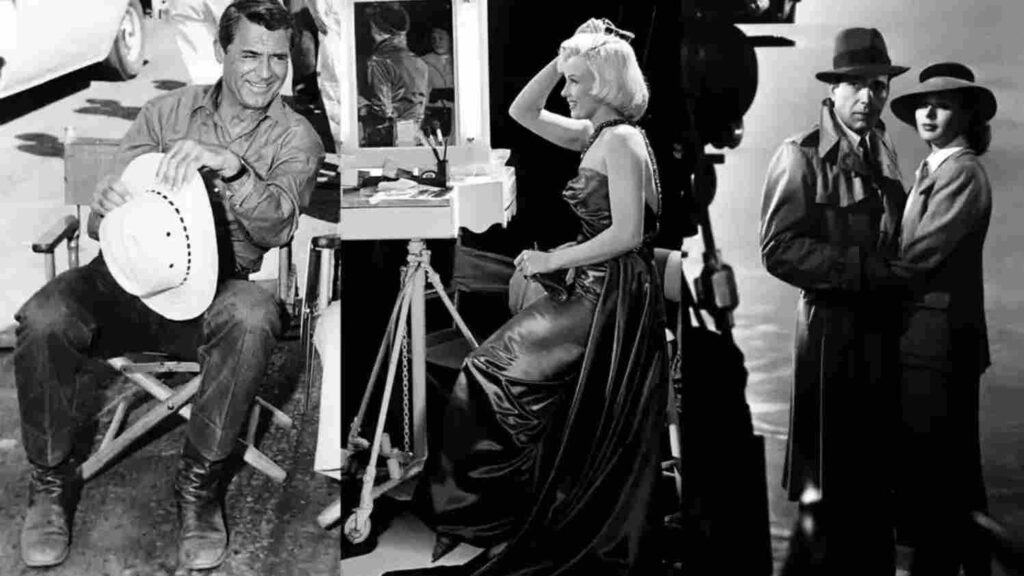
The name itself is convincing. It combines familiar naming patterns commonly associated with actors and entertainers. This makes people believe he was once part of Hollywood, television, or classic entertainment.
Many users encounter the name online and assume they simply forgot about him, which increases curiosity and encourages further searches.
Why the Name Burt Thicke Sounds So Real
One of the main reasons behind the popularity of Burt Thicke is psychological familiarity. The name resembles real celebrity names that people already recognize.
For example:
- The first name “Burt” reminds people of classic film stars.
- The last name “Thicke” is associated with known entertainment figures.
- The combination feels natural and believable.
This familiarity tricks the brain into accepting the name as something it has heard before, even when it has not.
This phenomenon is closely related to how memory and recognition work. When people hear something that sounds familiar, they are more likely to accept it as real.
The Role of Internet Memes in Creating Burt Thicke
Memes play a powerful role in shaping internet culture. They can transform fictional ideas into widely recognized concepts within a short time.
Burt Thicke gained attention through:
- Social media posts
- Meme pages
- Online forums
- AI-generated images
- Joke biographies
People began sharing fake movie posters, edited photographs, and fictional stories about him. These posts were often humorous but convincing enough to confuse viewers.
As more people shared and discussed the name, it became part of online culture.
The Mandela Effect and Burt Thicke
The rise of Burt Thicke is closely connected to the Mandela Effect, a psychological phenomenon where large groups of people believe in false memories.
Examples of similar experiences include:
- Remembering events that never happened
- Misremembering famous quotes
- Believing fictional characters were real
With Burt Thicke, many people feel like they remember him from television or movies, even though he never existed.
This shared false memory strengthens the myth and makes the character feel real.
How Search Engines Amplified the Trend
Search engines play a major role in making topics popular. When people search for something frequently, search algorithms begin to treat it as relevant.
This leads to:
- More visibility in search results
- Increased curiosity
- Even more searches
This cycle creates momentum, turning a simple joke into a widely searched topic.
Burt Thicke became popular partly because people kept searching for him to confirm whether he was real.
The Influence of AI and Digital Content Creation
Artificial intelligence has made it easier than ever to create realistic images and fictional characters.
Today, AI tools can generate:
- Realistic portraits
- Vintage-style photographs
- Fake interviews
- Fictional biographies
These tools blur the line between reality and imagination.
When people see realistic images labeled as Burt Thicke, it becomes harder to immediately recognize the character as fictional.
This contributes significantly to the myth’s growth.
Why People Continue Searching for Burt Thicke
There are several reasons why Burt Thicke remains a trending topic:
1. Curiosity
People want to know whether he was a real celebrity.
2. Familiarity
The name feels authentic and believable.
3. Meme Culture
Memes encourage sharing and discussion.
4. Psychological Recognition
People believe they may have forgotten him.
5. Viral Internet Trends
Once something becomes viral, it continues to spread.
The Cultural Significance of Burt Thicke
Burt Thicke represents something bigger than just a fictional name. He symbolizes how modern digital culture creates shared experiences.
He demonstrates:
- The power of collective imagination
- The influence of social media
- The speed of viral trends
- The psychological effects of familiarity
He is a perfect example of digital folklore.
In the past, myths spread through storytelling. Today, myths spread through social media and search engines.
Digital Folklore in the Modern Internet Era
Digital folklore refers to fictional stories, characters, or myths created and spread online.
Examples include:
- Fictional celebrities
- Viral characters
- Internet urban legends
Burt Thicke fits perfectly into this category.
Unlike traditional folklore, digital folklore spreads faster and reaches a global audience instantly.
Lessons Content Creators Can Learn From Burt Thicke
Content creators and marketers can learn valuable lessons from this phenomenon.
1. Familiar Names Attract Attention
People engage more with content that feels recognizable.
2. Curiosity Drives Traffic
Unusual or mysterious topics generate interest.
3. Viral Trends Spread Quickly
The internet can amplify ideas rapidly.
4. Storytelling Is Powerful
People connect emotionally with stories, even fictional ones.
Is Burt Thicke Harmful or Just Harmless Fun?
In most cases, Burt Thicke is simply a harmless internet joke.
However, it also highlights important issues such as:
- The importance of verifying information
- The influence of AI-generated content
- The potential for misinformation
Understanding the difference between fact and fiction is essential in the digital age.
The Future of Internet-Created Personalities
As AI and digital tools continue to evolve, fictional personalities like Burt Thicke may become more common.
In the future, we may see:
- More realistic fictional celebrities
- AI-generated influencers
- Digital personalities with large audiences
This raises interesting questions about identity, authenticity, and trust online.
Conclusion
Burt Thicke is not a real celebrity, actor, or historical figure. He is a fictional identity created and spread through internet culture, memes, and digital storytelling.
Despite being fictional, his popularity reveals important truths about modern internet behavior. It shows how easily myths can form, spread, and gain recognition online.
Burt Thicke represents the power of curiosity, familiarity, and viral culture. He reminds us that in the digital age, sometimes the most famous names are not real people, but creations of collective imagination.
Understanding this phenomenon helps us better navigate the modern internet and recognize the difference between digital fiction and reality.
FAQs About Burt Thicke
1. Is Burt Thicke a real person?
No, Burt Thicke is a fictional internet character created through memes and online discussions.
2. Why do people think Burt Thicke was real?
The name sounds familiar and resembles real celebrity names, which creates confusion.
3. Did Burt Thicke appear in movies or TV shows?
No, any references to his appearances are fictional or part of internet jokes.
4. Why is Burt Thicke trending online?
Curiosity, memes, and viral internet culture have made the name popular.
5. What does Burt Thicke represent?
He represents digital folklore and the power of internet culture to create fictional legends.