

Introduction
- What Is the TEAS Exam?
- Understanding the Solar Panels TEAS Passage
- How Solar Panels Work (Core Concept Overview)
- Common Question Types in a Solar Panels TEAS Passage
- Key Themes Found in Solar Panels TEAS Passages
- Reading Strategies for Success
- 1. Skim Before You Dive In
- 2. Highlight Keywords
- 3. Eliminate Incorrect Answers
- 4. Watch for Distractors
- Sample Practice Questions
- Vocabulary to Know
- Why Renewable Energy Topics Appear on the TEAS Exam
- Common Mistakes Students Make
- How to Practice Effectively
- Benefits of Mastering Informational Passages
- Frequently Asked Questions (FAQs)
- What is the Solar Panels TEAS passage?
- Is the Solar Panels passage difficult?
- Do I need to memorize solar panel facts?
- How can I improve my TEAS reading score?
- Why are renewable energy topics common on the TEAS exam?
- Conclusion
If you are preparing for the Test of Essential Academic Skills (TEAS), you already know that the reading section can make a significant difference in your overall score. One popular practice topic that frequently appears in prep materials is the Solar Panels TEAS passage.
This type of passage typically focuses on renewable energy, solar technology, and environmental sustainability. It challenges students to demonstrate comprehension, identify main ideas, interpret data, and analyze informational text.
In this comprehensive guide, we will explore:
- What the Solar Panels TEAS passage usually covers
- Key reading strategies for answering questions effectively
- Common question types you can expect
- Vocabulary and concepts related to solar energy
- Practical study tips to improve your TEAS reading score
Whether you are just beginning your preparation or refining your skills before test day, this article will help you approach the Solar Panels TEAS passage with confidence.
What Is the TEAS Exam?
The TEAS exam is widely used for admission into nursing and allied health programs. It evaluates students in four main areas:
- Reading
- Mathematics
- Science
- English and Language Usage
The reading section often includes informational passages similar to what you would encounter in academic textbooks. Topics may range from biology to history, and renewable energy subjects like solar panels are common because they combine science with real-world relevance.
Understanding the Solar Panels TEAS Passage
A Solar Panels TEAS passage typically discusses:
- How solar panels work
- The photovoltaic effect
- Benefits of renewable energy
- Environmental impact
- Economic considerations
- Advantages and disadvantages of solar technology
These passages are informational in nature and test your ability to extract meaning, not just recall facts.
How Solar Panels Work (Core Concept Overview)
To better understand a Solar Panels TEAS passage, it helps to review the basic science behind solar energy.
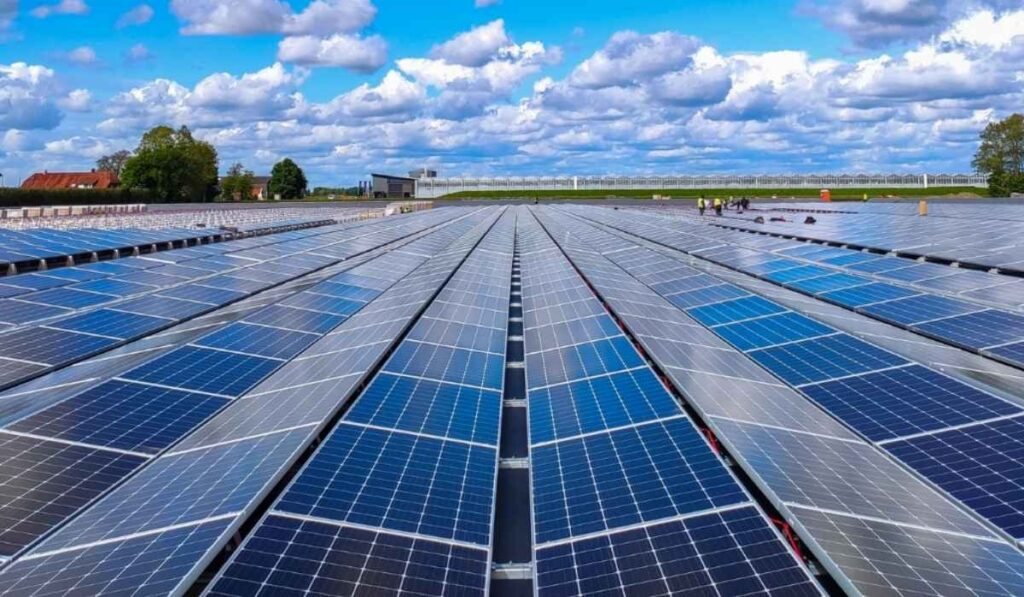
Solar panels are devices that convert sunlight into electricity using photovoltaic (PV) cells. These cells contain semiconductor materials, commonly silicon, which absorb sunlight and generate an electric current.
When sunlight hits a solar panel:
- Photons strike the PV cells
- Electrons are released
- An electric current is created
- The current flows through an inverter
- Electricity becomes usable for homes or businesses
Understanding this process allows you to quickly grasp technical explanations within the passage.
Common Question Types in a Solar Panels TEAS Passage
The TEAS reading section does not focus solely on memorization. Instead, it tests comprehension and reasoning. Here are the most common question types you may encounter:
1. Main Idea Questions
You may be asked:
- What is the primary purpose of the passage?
- Which statement best summarizes the text?
To answer these correctly, identify the central theme rather than focusing on minor details.
2. Supporting Details
These questions ask about specific facts mentioned in the passage. For example:
- What material is commonly used in photovoltaic cells?
- According to the passage, what is one environmental benefit of solar energy?
Careful reading is essential.
3. Vocabulary in Context
You might see a word like “sustainable” or “renewable” and be asked to determine its meaning based on context clues.
4. Inference Questions
Inference questions require you to read between the lines. For example:
- What can be inferred about the future of solar technology?
These questions test deeper understanding rather than surface reading.
Key Themes Found in Solar Panels TEAS Passages
Environmental Benefits
Most passages highlight the eco-friendly nature of solar power. Solar energy reduces greenhouse gas emissions and decreases reliance on fossil fuels.
Economic Considerations
The text may discuss:
- Installation costs
- Long-term savings
- Government incentives
- Maintenance requirements
Understanding cost-benefit analysis is helpful when interpreting such passages.
Technological Advancements
You may read about improvements in panel efficiency, battery storage solutions, and grid integration.
Reading Strategies for Success
Improving your performance on the Solar Panels TEAS passage requires more than general reading skills. Here are targeted strategies:
1. Skim Before You Dive In
Quickly skim the passage to understand structure. Identify:
- Introduction
- Body paragraphs
- Conclusion
This gives you a roadmap before answering questions.
2. Highlight Keywords
Look for terms such as:
- Renewable
- Photovoltaic
- Efficiency
- Sustainability
- Installation
Keywords often signal important ideas.
3. Eliminate Incorrect Answers
In multiple-choice questions, eliminate obviously wrong answers first. Narrowing down choices increases accuracy.
4. Watch for Distractors
The TEAS exam sometimes includes answer options that seem correct but are slightly inaccurate. Pay close attention to wording.
Sample Practice Questions
Here are example questions similar to those found in a Solar Panels TEAS passage:
Question 1:
What is the primary function of photovoltaic cells?
A) Store electricity
B) Convert sunlight into electricity
C) Absorb heat energy
D) Reduce energy bills
Correct Answer: B
Question 2:
Which of the following is mentioned as an environmental benefit of solar panels?
A) Increased air pollution
B) Depletion of fossil fuels
C) Reduction in carbon emissions
D) Higher electricity rates
Correct Answer: C
Practicing similar questions improves familiarity and confidence.
Vocabulary to Know
Understanding common vocabulary improves comprehension speed. Key terms include:
- Photovoltaic – relating to the conversion of light into electricity
- Renewable – naturally replenished resource
- Sustainable – able to be maintained long-term
- Efficiency – ratio of useful energy output to input
- Grid – system that delivers electricity
Learning these terms beforehand reduces confusion during the exam.
Why Renewable Energy Topics Appear on the TEAS Exam
Renewable energy topics like solar panels are ideal for standardized testing because they:
- Combine science and real-world application
- Include data interpretation opportunities
- Encourage analytical thinking
- Reflect current global trends
Examiners use such topics to assess comprehension of informative, non-fiction text.
Common Mistakes Students Make
Even strong readers sometimes struggle with TEAS passages. Here are common errors to avoid:
1. Reading Too Quickly
Skimming without understanding leads to missed details.
2. Overthinking Simple Questions
Sometimes the correct answer is directly stated in the text.
3. Ignoring Context Clues
Vocabulary questions often provide hints within surrounding sentences.
How to Practice Effectively
To master the Solar Panels TEAS passage:
- Read science-based articles regularly
- Practice summarizing paragraphs
- Complete timed reading drills
- Review incorrect answers carefully
- Take full-length practice exams
Consistency is more important than cramming.
Benefits of Mastering Informational Passages
Developing strong reading comprehension skills helps not only on the TEAS exam but also in nursing school. Healthcare professionals must interpret technical information daily.
Mastering passages about solar panels or other scientific topics strengthens your ability to:
- Analyze research
- Understand patient education materials
- Interpret clinical data
Frequently Asked Questions (FAQs)
What is the Solar Panels TEAS passage?
It is a practice reading passage often found in TEAS preparation materials that discusses solar energy and renewable technology.
Is the Solar Panels passage difficult?
Difficulty depends on reading skills. Understanding basic science concepts makes it easier.
Do I need to memorize solar panel facts?
No. Focus on comprehension and reasoning rather than memorization.
How can I improve my TEAS reading score?
Practice informational passages regularly, review vocabulary, and apply strategic reading techniques.
Why are renewable energy topics common on the TEAS exam?
They combine science knowledge with real-world applications, making them ideal for testing comprehension skills.
Conclusion
The Solar Panels TEAS passage is more than just a reading exercise — it is an opportunity to demonstrate analytical thinking, comprehension, and vocabulary skills. By understanding the basics of solar technology, practicing strategic reading methods, and reviewing common question types, you can significantly improve your performance.
Success on the TEAS exam requires preparation, consistency, and confidence. With focused study and regular practice, tackling passages on renewable energy or any other scientific topic becomes manageable.
Approach your exam preparation thoughtfully, stay disciplined, and remember that strong reading skills will benefit you far beyond test day.