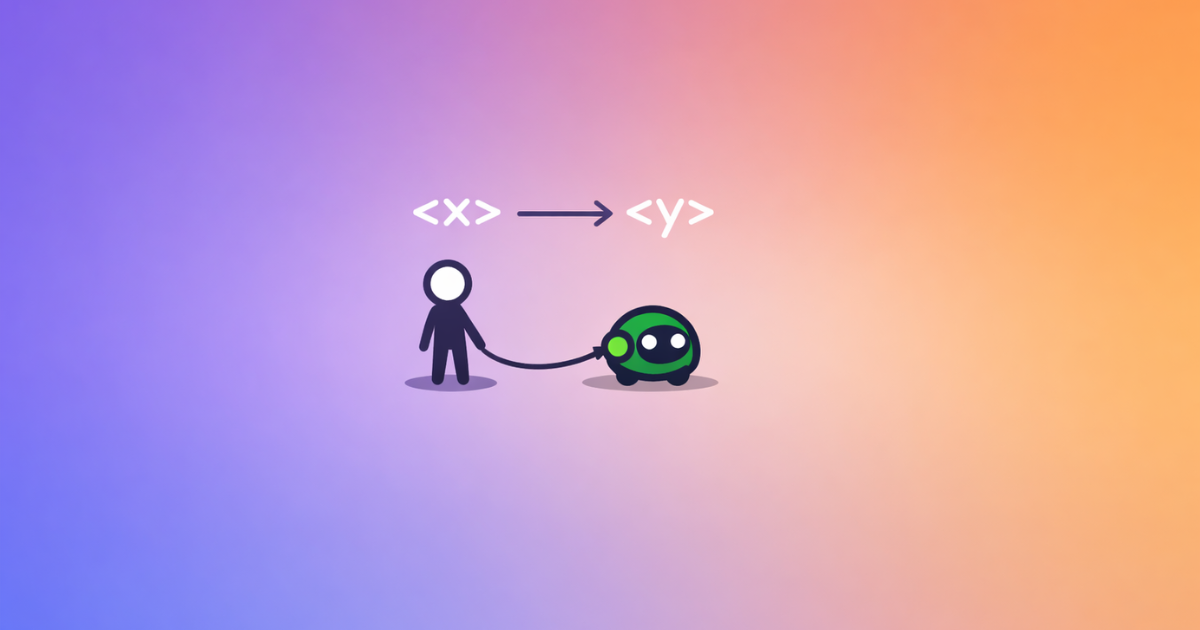
If you searched for 9.7.4 leash codehs answers, chances are you’re either stuck, confused, or just want to make sure you’re on the right track. That’s normal. Almost every student reaches a point where an assignment feels harder than it should be.
The good news? The 9.7.4 Leash activity is not about memorizing code. It’s about understanding how objects interact and how one object can control or “follow” another. Once that idea clicks, the whole problem feels much lighter.
In this guide, we won’t give copy-paste answers. Instead, we’ll walk through the logic behind the 9.7.4 leash codehs answers so you can build your own solution confidently. This is better for learning, better for grades, and better for long-term coding skills.
What Is the 9.7.4 Leash Activity in CodeHS?
The 9.7.4 Leash exercise usually focuses on:
- Object-oriented programming
- Relationships between objects
- Updating positions dynamically
- Making one object “follow” another
Think of it like walking a dog on a leash.
You move forward.
The dog moves after you.
Not instantly, but smoothly and naturally.
That’s the core idea behind the 9.7.4 leash codehs answers:
One object reacts to the movement of another.
Why Students Struggle With 9.7.4 Leash CodeHS
Here’s what usually causes confusion:
- Not understanding how objects store position
- Forgetting how getters and setters work
- Mixing up who controls whom
- Trying to hard-code movement instead of using logic
Coding is like building a bridge. If the base is shaky, the top won’t hold. So before writing anything, we need to understand the structure.
Breaking Down the Core Concept
H2: What Does “Leash” Mean in Programming?
In real life:
A leash keeps something close but flexible.
In programming:
A leash is a rule that keeps one object connected to another.
So when you look up 9.7.4 leash codehs answers, what you’re really searching for is:
How do I make one object follow another using code?
Understanding Object Position
Most CodeHS problems rely on two main ideas:
- X position (left and right)
- Y position (up and down)
Every object knows where it is.
Example:
- The “leader” object moves.
- The “follower” object checks where the leader is.
- The follower adjusts itself.
Simple. Clean. Logical.
The Role of Methods in 9.7.4 Leash CodeHS Answers
Methods are like instructions.
Some common ones:
getX()getY()setPosition(x, y)move()update()
Instead of memorizing 9.7.4 leash codehs answers, focus on what each method does.
Ask yourself:
- Who is moving?
- Who is following?
- Who is checking position?
A Real-Life Analogy
Imagine you’re holding a balloon on a string.
You walk.
The balloon drifts behind you.
Not exactly where you are, but close.
That’s the leash.
The balloon:
- Knows your position
- Moves toward it gradually
- Never jumps instantly
This analogy is perfect for understanding the 9.7.4 leash codehs answers.
Step-by-Step Thinking Process
Instead of asking:
What are the 9.7.4 leash codehs answers?
Ask:
- Which object is the leader?
- Which object is the follower?
- How does the follower know where to go?
- How often does the follower update?
When you answer these, the code almost writes itself.
Step 1 – Identify the Leader
This is usually:
- A character
- A mouse pointer
- A main shape
- Or a controlled object
It moves freely.
Step 2 – Identify the Follower
This object:
- Watches the leader
- Adjusts its position
- Moves based on distance
Step 3 – Create the Connection
The follower needs access to:
- Leader’s X position
- Leader’s Y position
That’s the leash.
Common Logic Pattern Used
Most 9.7.4 leash codehs answers follow this mental model:
If follower is too far from leader:
    Move follower closer
Else:
    Stay still
This avoids sudden jumps and creates smooth motion.
Why This Approach Works Better Than Copying Answers
Copying:
- Helps for one assignment
- Hurts your understanding
- Creates confusion later
Understanding:
- Builds confidence
- Makes future lessons easier
- Turns CodeHS into a tool, not a threat
That’s why this guide focuses on logic instead of raw 9.7.4 leash codehs answers.
Debugging Tips for 9.7.4 Leash
If your program isn’t working:
- Check object references
- Make sure follower can access leader
- Print positions for debugging
- Move step by step
- Avoid large jumps
Debugging is like detective work. Small clues matter.
Frequently Asked Questions
Is it okay to look up 9.7.4 leash CodeHS answers?
Yes, if you’re learning from them.
No, if you’re copying without understanding.
Why does my follower move too fast?
Because:
- Your step size is too large
- You’re skipping gradual motion
Why doesn’t my follower move at all?
Check:
- Is the update method running?
- Is the leader’s position being read?
- Are you setting the new position correctly?
How Teachers Expect You to Solve This
They want to see:
- Object interaction
- Logical movement
- Proper method use
- Clean structure
Not just the final 9.7.4 leash codehs answers, but how you got there.
Final Thoughts
The 9.7.4 leash codehs answers aren’t about lines of code.
They’re about relationships.
Leader and follower.
Cause and effect.
Action and reaction.
Once you see that, the assignment becomes simple.